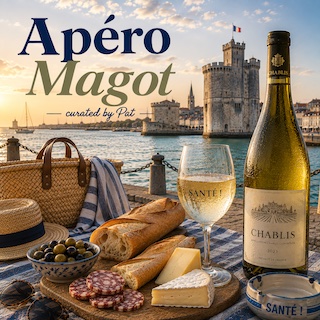
This playlist is a journey through memory, resilience, heartfelt farewells and joyful rediscovery. It travels from the streets of Barcelona and Madrid to the Caribbean, Cape Verde and Latin America, where love is remembered with gratitude, endings become new beginnings, and music itself serves as both companion and consolation.
| Title | Artist | Comment |
|---|---|---|
| Tu Recuerdo (ft. La Mari de Chambao & Tommy Torres) | Ricky Martin | Written by Tommy Torres, Arnie Roman and others, the song reflects on memories that linger after a relationship has ended, suggesting that love survives in remembrance even when people move on. Ricky Martin, born in San Juan, Puerto Rico, evolved from Menudo teen idol into one of Latin pop’s biggest international stars. The collaboration features La Mari (María del Mar Rodríguez) from Málaga, Spain, leader of Chambao and pioneer of flamenco chill, alongside Puerto Rican singer-songwriter Tommy Torres from San Juan, whose melodic songwriting shaped many modern Latin ballads. |
| Te Lo Agradezco, Pero No (ft. Shakira) | Alejandro Sanz | Written by Alejandro Sanz, the song politely but firmly rejects an unhealthy relationship, choosing self-respect over emotional dependence. Sanz, from Madrid, Spain, is one of Spain’s most influential contemporary songwriters, blending flamenco, pop and Latin music. Featuring Shakira, from Barranquilla, Colombia, the duet became one of the defining collaborations of 2000s Latin pop, highlighting the chemistry between two of its biggest stars. |
| El Run Run | Estopa | Written by brothers David and José Muñoz, the song playfully reflects on rumours, gossip and the stories that circulate within neighbourhoods. Estopa, from Cornellà de Llobregat, Barcelona, Spain, revolutionized Spanish pop by combining rumba catalana, rock and flamenco with humorous, streetwise storytelling rooted in working-class life. |
| Pasos de Cero | Pablo Alborán | Written by Pablo Alborán, from Málaga, Spain, the song encourages leaving fear behind and starting again, one step at a time. Inspired by themes of personal renewal rather than one specific event, it reflects Alborán’s optimistic songwriting, balancing vulnerability with hope. It became one of the standout singles from Terral. |
| Amor di Mundo | Cesária Évora | Singing in Cape Verdean Creole, Cesária Évora celebrates love that transcends borders and cultures. Born in Mindelo, São Vicente, Cape Verde, the “Barefoot Diva” introduced morna and coladeira music to audiences worldwide. Her understated delivery and deep emotional warmth made her one of the most admired voices in world music. This song was written by singer and songwriter Teófilo Chantre, born 1963 in São Nicolau, Cap Verde. |
| Cántame | María del Monte | María del Monte, from Seville, Spain, is one of Spain’s foremost interpreters of Andalusian copla and sevillanas. “Cántame” (“Sing to Me”) celebrates music itself as a source of comfort, joy and emotional healing. Her warm, expressive style has made her a beloved figure in Spanish popular culture for decades. |
| Ámame o Déjame (ft. Mónica Naranjo) | Raphael | Originally popularised by Mexican group Los Ángeles Negros, the song presents love as an all-or-nothing commitment: either love completely or let go. Raphael, from Linares, Jaén, Spain, is one of Spain’s greatest interpreters, renowned for theatrical performances and a career spanning more than sixty years. His duet with Mónica Naranjo, from Figueres, Girona, Spain, combines two of Spain’s most dramatic vocalists. |
| Vete | Los Amaya | Los Amaya, brothers José and Delfín Amaya from Barcelona, Spain, were pioneers of Catalan rumba, blending flamenco with Cuban rhythms and pop. “Vete” (“Go Away”) addresses the painful decision to end a relationship despite lingering affection. Their energetic style helped popularise rumba beyond its traditional audiences. |
| No Me Importa Nada | Luz Casal | Written by Gloria Varona and Joaquín Sabina, the song is a declaration of emotional independence and resilience. Luz Casal, from Boimorto, Galicia, Spain, became one of Spain’s most respected rock vocalists, admired for her powerful voice and ability to combine strength with vulnerability. International audiences later discovered her through Pedro Almodóvar’s films. |
| No Dudaría | Antonio Flores | Written by Antonio Flores, from Madrid, Spain, the song expresses a heartfelt wish for a more compassionate and peaceful world. Inspired by ideals of forgiveness and reconciliation, it has become one of Spain’s best-loved songs. Flores, son of Lola Flores, was celebrated for his sincerity and poetic songwriting before his untimely death in 1995. |
| Nada Fue Un Error (ft. Paulina Rubio y Julieta Venegas) | Coti | Written by Argentine singer-songwriter Coti Sorokin, from Rosario, Argentina, the song argues that even relationships that end should not be considered mistakes because they shape who we become. Featuring Paulina Rubio from Mexico City, Mexico, and Julieta Venegas from Long Beach, California (USA), raised in Tijuana, Mexico, the collaboration became one of the signature Latin pop songs of the 2000s. |
| Lupita | Julián Granados | Colombian singer-songwriter Julián Granados, from Bogotá, Colombia, became known for warm romantic ballads and Latin pop. “Lupita” affectionately portrays an unforgettable woman through simple, melodic storytelling, reflecting the conversational style that characterized much of his repertoire. The song was written by Spanish sax and guitar player Alfonso Eduardo Sáinz Amorós (1943-2014) and his brother Lucas Sáinz Amorós, Spanish guitar player and composer, born in 1944. |
| Borriquito | Peret | Written by Peret (Pedro Pubill Calaf), born in Mataró, Barcelona, Spain, the song is a humorous rumba classic whose title affectionately teases someone acting foolishly in love. Peret is widely regarded as the father of modern rumba catalana, combining flamenco guitar with Afro-Cuban rhythms and infectious optimism. The song remains one of Spain’s great party anthems. |
| Me Gustas Tú | Manu Chao | Written by Manu Chao, born in Paris, France, to Spanish parents from Galicia and the Basque Country, the song strings together simple declarations of affection while reflecting on travel, multiculturalism and everyday pleasures. Inspired by his nomadic lifestyle across Europe and Latin America, it became one of the defining global hits of the early 2000s, transcending language barriers with its joyful simplicity. |
| Porque Te Vas (from Cría Cuervos) | Jeanette | Written by José Luis Perales, the song gently portrays the sadness of separation through deceptively simple lyrics. Jeanette, born in London, England (UK) to a Spanish mother and Belgian-Congolese father, grew up partly in Barcelona, Spain and became one of Spain’s most distinctive pop voices. Although initially only a modest success, the song became an international classic after Carlos Saura featured it prominently in the 1976 film Cría Cuervos, where its innocent melody contrasted poignantly with the film’s emotional themes. |
Sources
The information sources of the song facts include, but are not limited to, Wikipedia, songfacts.com, discogs.com, secondhandsongs.com, YouTube and artists’ related websites.